서울 종로구 세종대로23길 47, 6층6F, 47 Sejong-daero 23-gil, Jongno-gu, Seoul운영시간 평일 09:00~18:00 (주말·공휴일 휴무)Mon–Fri 09:00–18:00 KSTlsy@korelation.co.kr
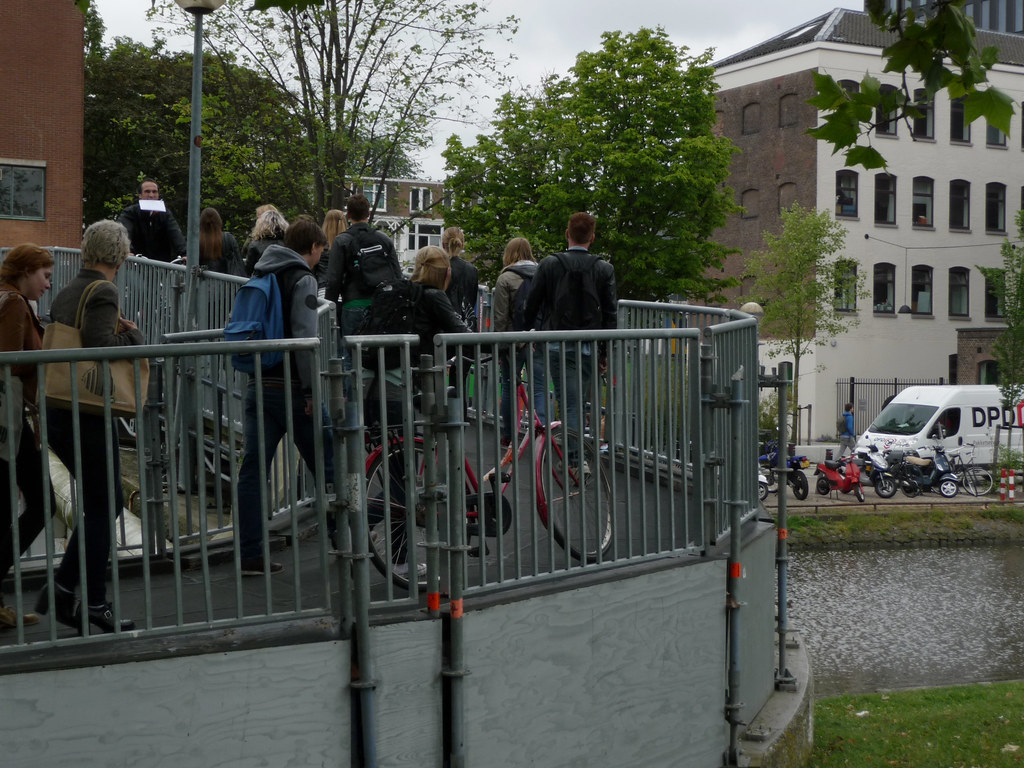
Students walking to campus in the morning
Annyeong Campus · Study in Korea

Study at a Korean university

Admissions consulting for international students heading to a Korean university, graduate school or language institute. One advisor guides you through choosing universities, preparing your Korean, applications, visas and settling in after you arrive.

IntakesMarch · September (language institutes every 10 weeks)ProgramsLanguage institute · Undergraduate · Graduate · ExchangeConsultationsFor September 2027 and March 2028 entry

Programs (5)

Students walking to campus in the morningTaking consultations
Annyeong, Language Institute

Language Institute to Degree Pathway

Learn Korean at a university language institute, reach TOPIK level 3–4, then move on to a degree program.

Length
10-week language terms + degree
For
Beginners in Korean who want a Korean-taught degree
When
Language institute 4 times a year · degrees in March/September
Fee: on requestLearn more
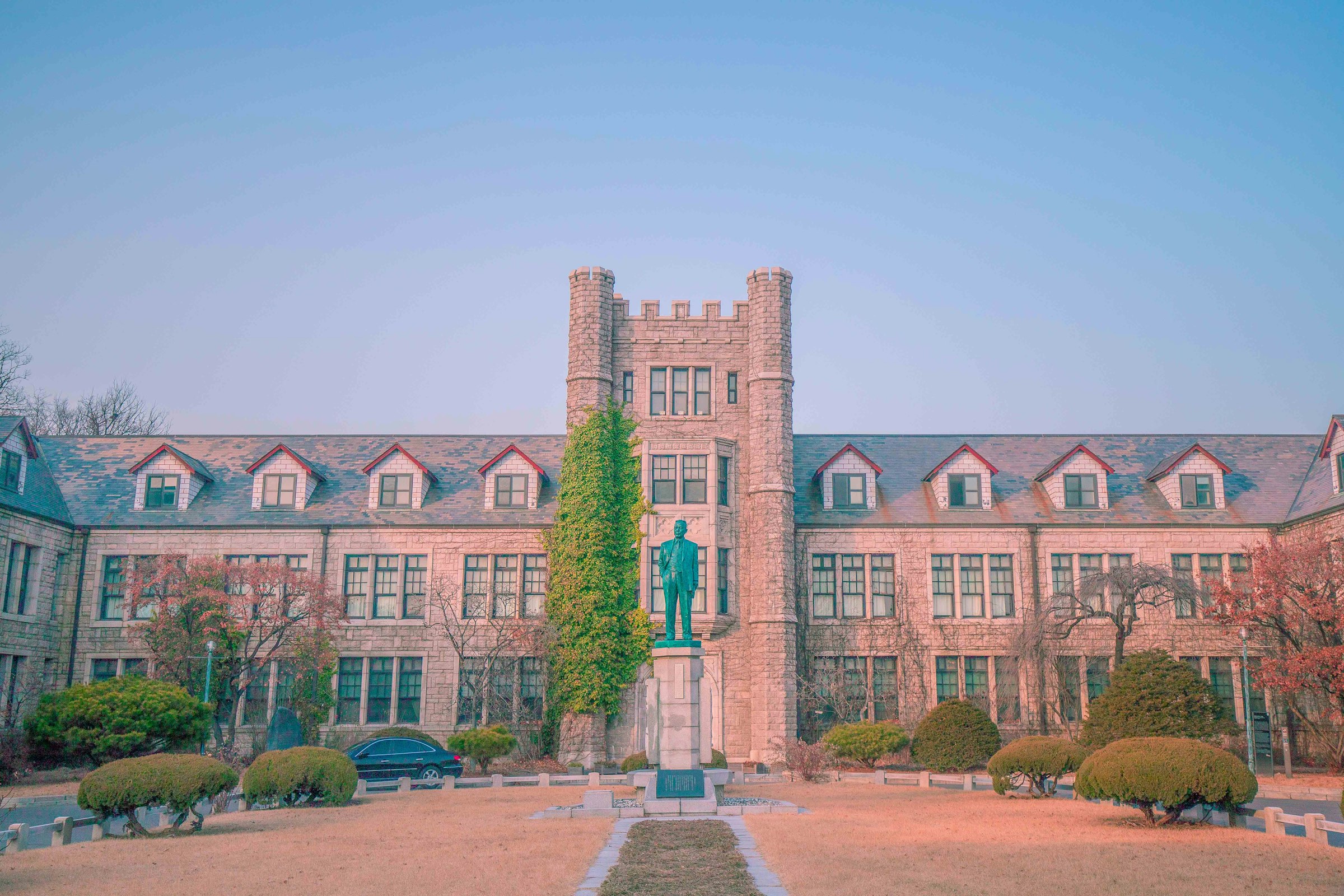
Stone buildings and gardens on a university campusTaking consultations
Annyeong, Freshman

Direct Undergraduate Admission

Apply straight to a bachelor's program at a Korean university (taught in English or Korean) through the international student track.

Length
Bachelor's degree (4 years)
For
High school graduates (or graduating this year)
When
March · September entry
Fee: on requestLearn more
Lecture in a university hallTaking consultations
Annyeong, Lab

Graduate School & Exchange

English-taught master's and PhD programs, or a one-semester or one-year exchange through your home university.

Length
Master's/PhD · exchange for 1 semester to 1 year
For
University graduates (or graduating), researchers, current students
When
March · September entry
Fee: on requestLearn more
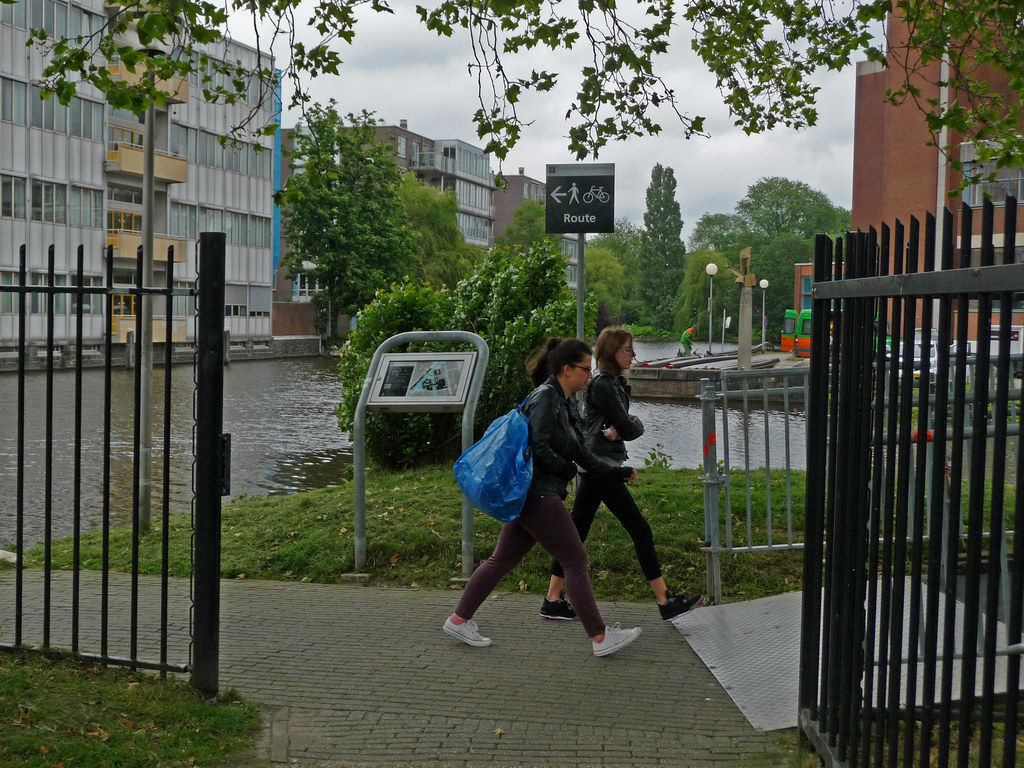
Two students walking across campusSpring and fall
Annyeong, Campus Tour

Campus Preview Week

Before you apply, spend a week in Seoul visiting 3–5 shortlisted universities, sitting in on classes and checking out dorms and neighborhoods.

Length
1 week
For
Prospective students and families, partner school groups
When
Spring · Fall
Fee: on requestLearn more
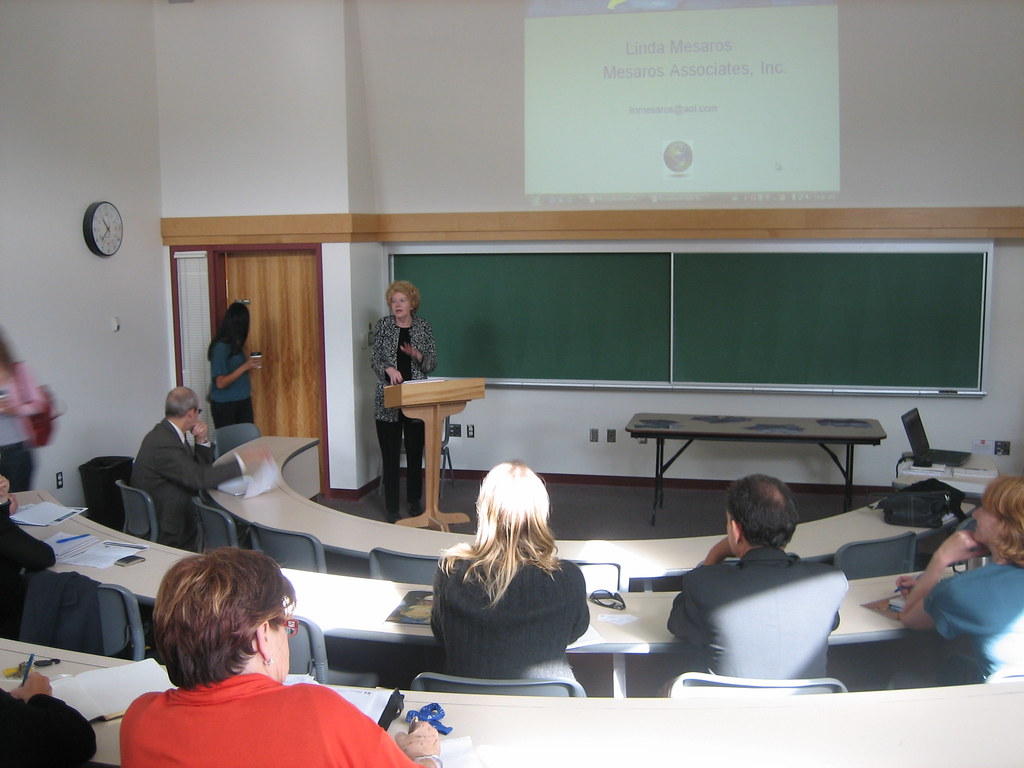
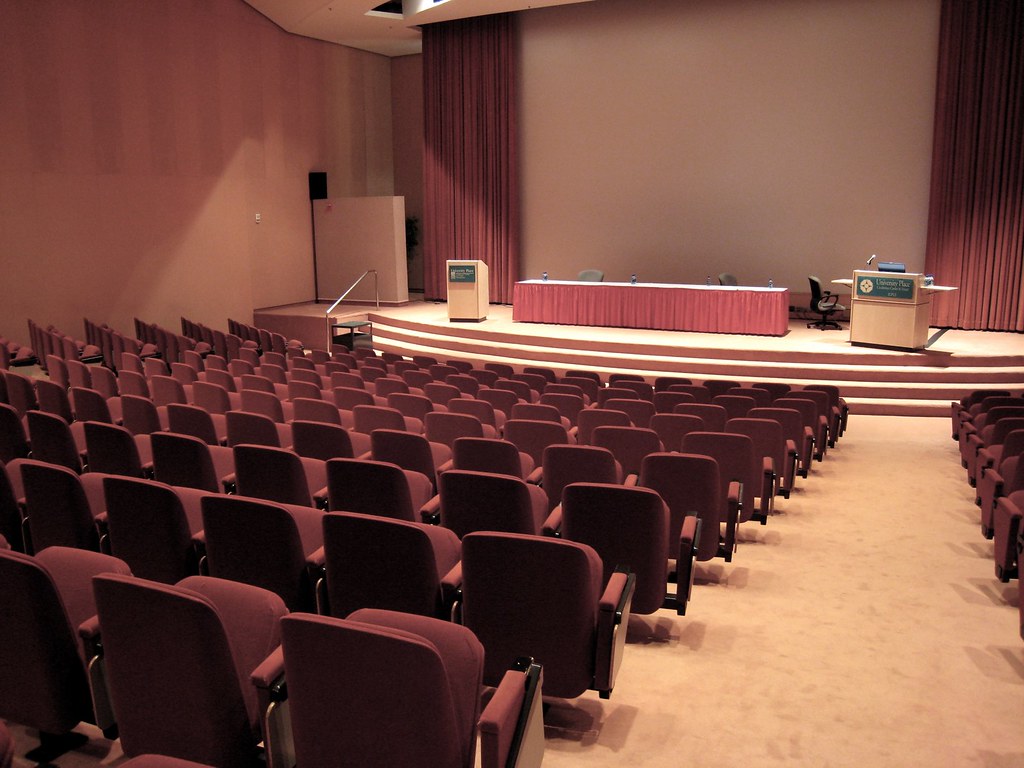
AuditoriumSeeking partners
Annyeong, Partner School

Partnership for Schools & Counselors

A partnership program for high schools, universities and study-abroad agencies whose students want to study in Korea. You stay in charge of your students.

Length
Year-round
For
High schools, universities and study-abroad agencies abroad
When
Year-round
Fee: on requestLearn more

Program details

Key facts for each program. We confirm dates and fees in writing after a consultation.

Annyeong, Language InstituteTaking consultations

Language Institute to Degree Pathway

Learn Korean at a university language institute, reach TOPIK level 3–4, then move on to a degree program.

Placement

Placement at a university language institute (10-week terms, 4 intakes a year)

Korean targets

TOPIK level 3 for undergraduate, level 4 for graduate, levels 4–6 for scholarships

Degree entry

Apply to a degree at the same university or another one

Visa

D-4 visa first, then switch to D-2 when you start your degree

Key facts

Who it's forBeginners in Korean who want a Korean-taught degree
Length10-week language terms + degree
When it runsLanguage institute 4 times a year · degrees in March/September
Group sizeIndividual
FormatOne-to-one admissions consulting, live online Korean
AccommodationUniversity dormitory, studio, shared house
VisaD-4 (language study) → D-2 (degree study)
FeeOn request (written quote)
Eligibility
  • High school graduates (or graduating this year)
  • Beginner Korean is fine
  • No restrictions on international travel
Documents
  • Diploma or expected-graduation certificate for your highest qualification
  • Transcript
  • Passport copy
  • Other documents required by each university
Annyeong, FreshmanTaking consultations

Direct Undergraduate Admission

Apply straight to a bachelor's program at a Korean university (taught in English or Korean) through the international student track.

University shortlist

A shortlist of 3–5 universities with requirements, deadlines, costs and our recommendations

Documents

Transcripts, apostille, personal statement and portfolio prepared and reviewed

Applications

Applications submitted by each university's deadline

After admission

Tuition deposit, Certificate of Admission, D-2 visa documents

Key facts

Who it's forHigh school graduates (or graduating this year)
LengthBachelor's degree (4 years)
When it runsMarch · September entry
Group sizeIndividual
FormatOne-to-one admissions consulting
AccommodationUniversity dormitory, studio, shared house
VisaD-2 (degree study)
FeeOn request (written quote)
Eligibility
  • High school graduates (or graduating this year)
  • English-taught programs: official English test score
  • Korean-taught programs: TOPIK level 3 or higher
Documents
  • High school diploma or expected-graduation certificate (apostilled)
  • Transcript
  • Language test scores (TOPIK or English)
  • Personal statement and study plan
  • Portfolio (arts and sports programs)
Annyeong, LabTaking consultations

Graduate School & Exchange

English-taught master's and PhD programs, or a one-semester or one-year exchange through your home university.

Contacting labs

Identify professors and labs in your field (many STEM programs admit through labs)

Language

More programs are taught in English; Korean-taught programs usually ask for TOPIK level 4

Exchange

One semester or one year under your home university's agreement

Visa

D-2

Key facts

Who it's forUniversity graduates (or graduating), researchers, current students
LengthMaster's/PhD · exchange for 1 semester to 1 year
When it runsMarch · September entry
Group sizeIndividual
FormatOne-to-one admissions consulting
AccommodationUniversity dormitory, studio
VisaD-2 (degree study)
FeeOn request (written quote)
Eligibility
  • Bachelor's degree or graduating (for master's)
  • Master's degree (for PhD)
  • Exchange: nomination by your home university required
Documents
  • Degree certificate and transcripts
  • CV
  • Research proposal
  • Recommendation letters (1–2, depending on the university)
  • Language test scores
Annyeong, Campus TourSpring and fall

Campus Preview Week

Before you apply, spend a week in Seoul visiting 3–5 shortlisted universities, sitting in on classes and checking out dorms and neighborhoods.

University visits

Visits to 3–5 shortlisted universities, meetings with international offices and departments

Sit in on classes

Sit in on major classes and a trial language class

Living environment

Tours of dorms and neighborhoods, plus a day in central Seoul

Logistics

Airport pick-up, accommodation, transit card, a coordinator with you every day (parents and counselors welcome)

Key facts

Who it's forProspective students and families, partner school groups
Length1 week
When it runsSpring · Fall
Group sizeIndividuals to groups
FormatIndividuals, small groups, teacher-led groups
AccommodationHotel or serviced residence
FeeOn request (written quote)
Annyeong, Partner SchoolSeeking partners

Partnership for Schools & Counselors

A partnership program for high schools, universities and study-abroad agencies whose students want to study in Korea. You stay in charge of your students.

Information sessions

Online or in-person sessions for students and parents

Korean classes at your school

Live Annyeong, Ganada Campus classes (as a club or elective)

Group preview week

Teacher-led group campus visits

Progress reports

Regular updates on applications, admission results and arrivals

Key facts

Who it's forHigh schools, universities and study-abroad agencies abroad
LengthYear-round
When it runsYear-round
Group sizeAgreed per partner
FormatInformation sessions, Korean classes at your school, group preview week
AccommodationWhere needed
FeeOn request (written quote)

Studying in Korea today

300K+International students in Korea (2025)
Twice a yearIntakes (March, September)
Levels 1–6TOPIK levels
1Dedicated advisor
  • ※ Under the government's Study Korea 300K initiative, student visas, scholarships and work opportunities are expanding.

Quality

Universities in the world top 100 for engineering, technology, business and science

Cost

Lower tuition than the US or UK, and scholarships for international students

English-taught

A growing number of English-taught undergraduate and graduate programs

Industry links

Internships and jobs in semiconductors, mobility, beauty, games and content

Seoul's campuses

Major universities clustered around Seoul, reachable by subway

After graduation

Annyeong, Seoul internships and guidance on the D-10 job-seeker visa

How it works

Students and families receive a written update at every step.

STEP 1

Consultation

Grades, Korean level, intended major, budget and timing

STEP 2

University shortlist

3–5 universities with requirements, deadlines, costs and scholarships

STEP 3

Korean preparation

Live online classes and a TOPIK plan timed to your applications

STEP 4

Documents & applications

Transcripts, apostille, personal statement and portfolio prepared and submitted

STEP 5

Admission & visa

Tuition payment, Certificate of Admission, D-2 or D-4 visa documents

STEP 6

Arrival & settling in

Airport pick-up, housing, alien registration, bank account, phone, campus orientation

Routes

Your route depends on your Korean level, intended major and start date.

RouteWhat happensWho can applyVisa
Language Institute to Degree PathwayComplete a university language institute, reach TOPIK 3–4, then start a degreeStudents aiming for a Korean-taught degree (beginner Korean)D-4 → D-2
Direct Undergraduate AdmissionApply to a bachelor's program through the international track (English- or Korean-taught)High school graduates with an English test score or TOPIK level 3+D-2
Graduate School & ExchangeEnglish-taught master's/PhD, or a one-semester or one-year exchangeUniversity graduates (or graduating), researchers, current studentsD-2
  • ※ Visa types and language requirements vary by university and program; we check them individually during the consultation.

Fields of study

When choosing universities we look beyond rankings, at teaching language, department strengths, scholarships and housing.

Engineering & IT

Semiconductors, AI, software, mobility

Business & economics

English-taught BBA and MBA, trade and finance, entrepreneurship

Design & media

Visual design, film, games, K-content

Korean studies & language

Korean language education, literature, history, international studies

Life sciences & health

Biotech, pharmaceuticals, public health

Arts & performance

Music, dance, fine art, theater

Application timeline

Korean universities admit students twice a year, in March and September. Start preparing 8–12 months before entry.

WhenWhat to doMarch entrySeptember entry
12–9 months beforeConsultation, university shortlist, start learning KoreanMar–JunSep–Dec
9–6 months beforePrepare documents, apostille, sit TOPIKJun–SepDec–Mar
6–4 months beforeApplicationsSep–NovMar–May
4–2 months beforeAdmission results, tuition payment, Certificate of Admission issuedNov–JanMay–Jul
2 months before to entryVisa application, housing, flights, arrivalJan–FebJul–Aug
  • ※ For reference only. Exact dates follow each university's admission guide, and we give you a personal timeline.
  • ※ Language institutes take new students every 10 weeks.

Service packages

We quote each package in writing after the first consultation.

ServiceA. EssentialB. Full PathwayC. Pathway + Preview Week
Consultation and university shortlist●●●
Application documents and submission●●●
Visa documents●●●
Live online Korean classes-●●
TOPIK study plan-●●
Arrival and settling-in support, coordinator for the first semester-●●
Campus Preview Week (1 week in Seoul)--●
  • ※ Every package includes: personal timeline, document checklist and review, scholarship application support, a dedicated advisor, video briefings for parents
  • ※ University tuition and living costs are not included.

Student life in Seoul

The main university areas and neighborhoods.

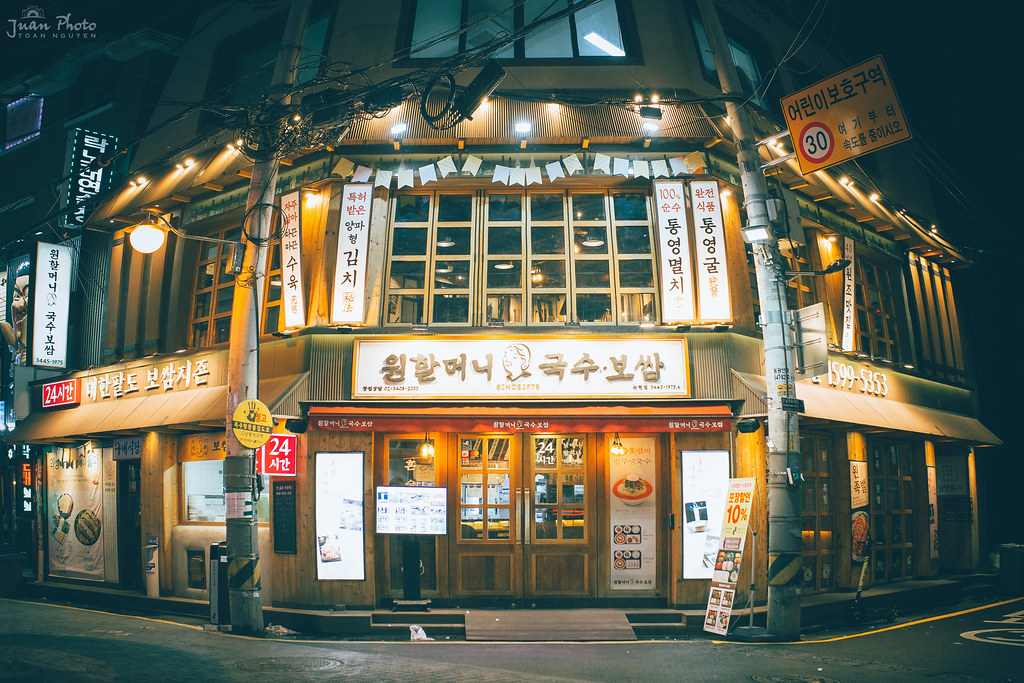
A street of Korean restaurants in Seoul
Sinchon & Hongdae
University district
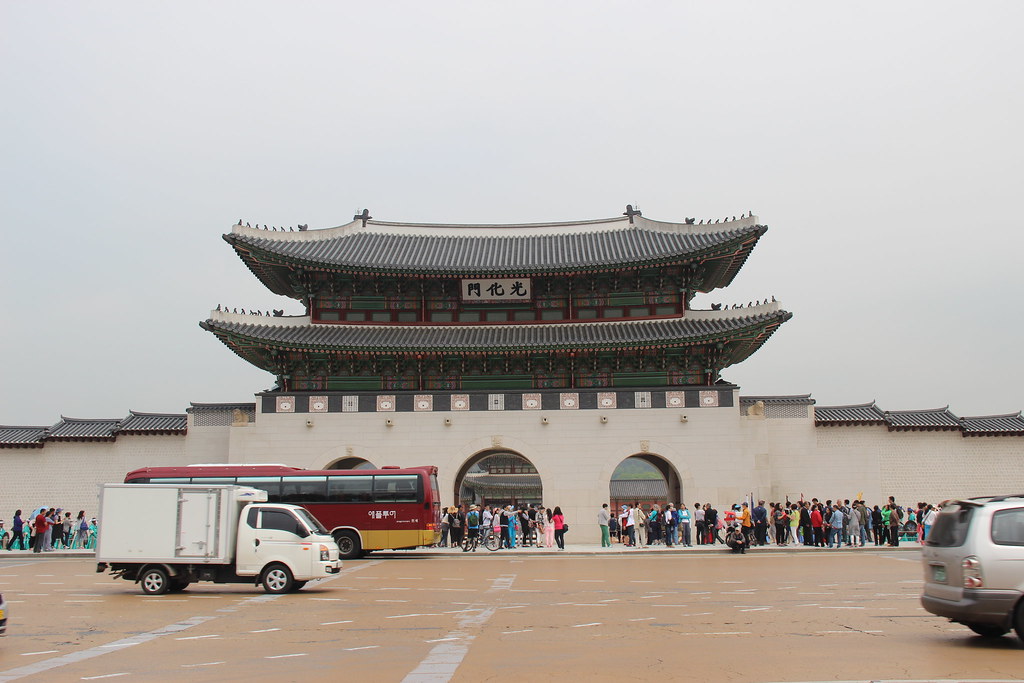
Gwanghwamun Gate
Gwanghwamun
Gyeongbokgung, city center
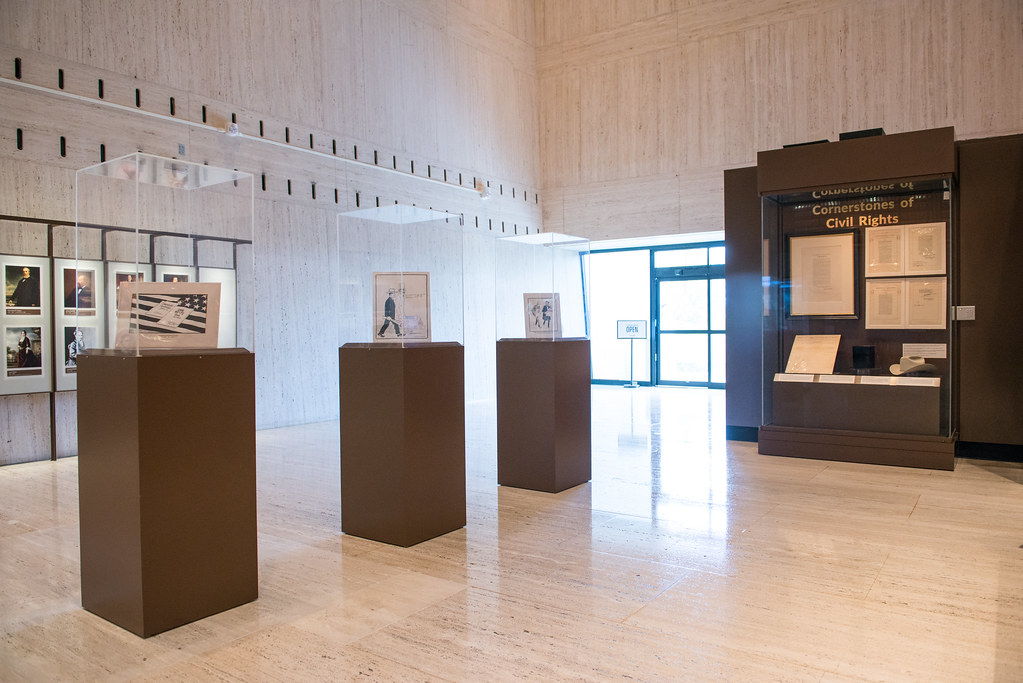
Inside an exhibition hall
Seongsu
Startups and café streets
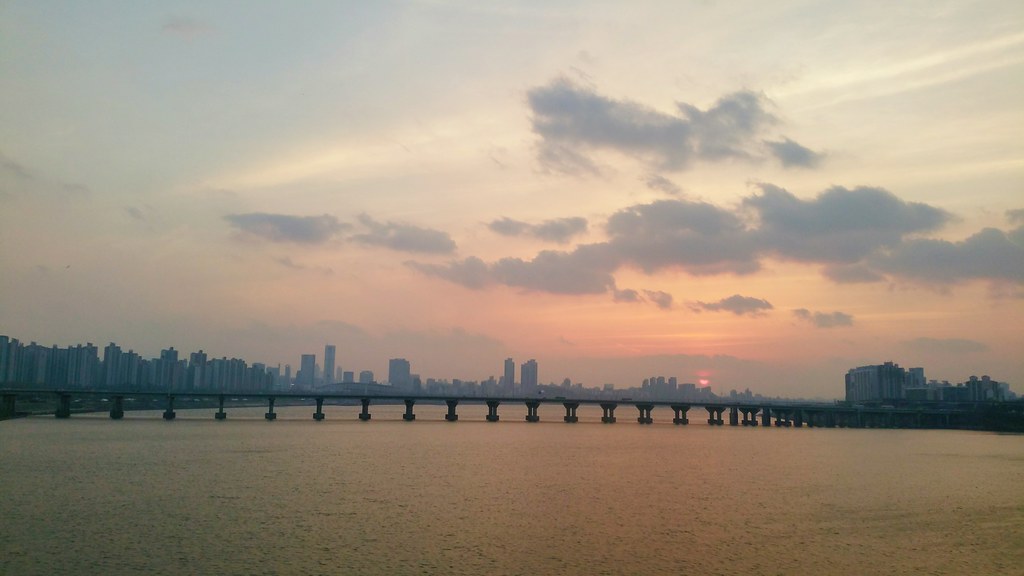
The Han River at sunset
Han River
Han River parks, Banpo Bridge
A bowl of galbitang
Myeongdong
Shopping, street food
Lotte World Tower and Jamsil
Jamsil
Lotte World Tower, Seokchon Lake

What's included / not included

We quote our service fee in writing after the first consultation. It is paid in three installments (consultation, application, arrival). Group and partner school rates are available.

Included

  • Personal admissions timeline
  • Document checklist and review
  • Scholarship application support
  • A dedicated advisor
  • Video briefings for parents

Not included

  • University application fees and tuition
  • Language institute tuition
  • Housing
  • Flights
  • Visa fees
  • Insurance
  • Personal expenses

How to apply

You usually receive your personal admissions plan within two weeks of the first consultation.

STEP 1

Consultation

Goals, intended major and timing (30-min video call; parents welcome)

STEP 2

Assessment

Grade review, Korean placement test, first look at your route

STEP 3

Admissions plan

Universities, Korean targets, deadlines, costs and a quote, in writing

STEP 4

Get started

After signing, Korean classes begin and we start on your documents

  • ※ Please get in touch 9–12 months before you hope to start.
  • ※ Eligibility, scholarships, tuition and dates differ by university and are confirmed in your personal admissions plan.
  • ※ Students pay tuition and living costs directly to the university or provider.
  • ※ Visa type (D-2 or D-4) and language requirements depend on the university and program.

FAQ

Q. Can I study for a degree without Korean?

English-taught programs accept applicants without a Korean score. Korean-taught degrees usually require TOPIK level 3 or higher, and we build a study plan around your target level.

Q. Are scholarships available?

University scholarships are often based on grades and TOPIK level. The Global Korea Scholarship (GKS) has its own selection process.

Q. Can I work part-time while studying?

Students on a D-2 visa can work part-time once they have permission from their university and the immigration office.

Q. Is it safe to study in Korea on my own?

Seoul has a low crime rate for a major city, and every university has an international office and 24-hour security. Your coordinator stays in touch throughout your first semester.

Q. Will a Korean degree be recognized at home?

Korean university degrees are internationally recognized. We check any additional recognition rules in your country early in the consultation.

Q. Can I work in Korea after graduating?

You can apply for a job-seeker (D-10) visa after graduation and switch to a work visa once you have a job offer.

Q. What if I'm not admitted?

We apply to several universities at once, and if needed we plan a route through a Korean language institute first.

Q. Can my parents join the consultation?

Yes. Parents are welcome from the first consultation and also receive the study plan and pre-departure briefing.

Contact

Book an admissions consultation

Tell us when you'd like to start and what you want to study, and an advisor will email you to schedule a consultation.

Students & schoolslsy@korelation.co.kr
Delegations & MICEkdpark@korelation.co.kr
Address6F, 47 Sejong-daero 23-gil, Jongno-gu, Seoul 03182, Korea
Office hoursMon–Fri 09:00–18:00 KST (closed weekends and Korean holidays)